
Let’s not sugarcoat it.
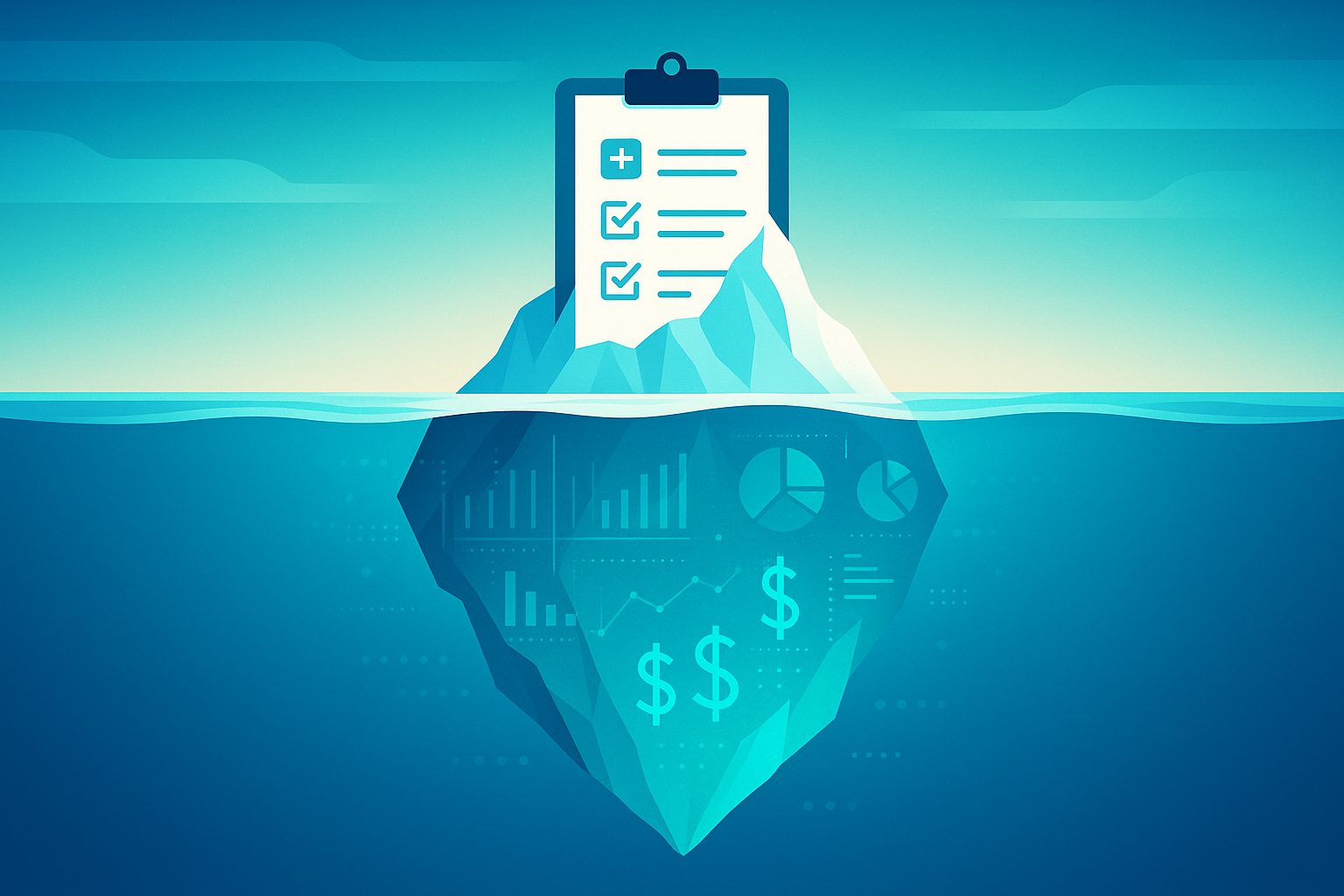
If your Value Analysis Committee (VAC) is still running on spreadsheets, email chains, and “did-you-get-my-message” follow-ups, you’re not managing value — you’re managing risk. Bad risk. The kind that leaks money, kills timelines, and silently erodes your team’s capacity.
These manual processes aren’t just outdated — they’re expensive. And not in the way you think.
Below are the hidden costs that manual value analysis processes quietly dump on your organization, one decision at a time.
1. Wasted Time (Your Most Expensive Asset)
Time is the most valuable — and most abused — resource in healthcare today.
Every hour your team spends hunting down attachments, consolidating notes from meetings, or searching inboxes for project status updates is an hour not spent saving money, improving outcomes, or driving better decisions.
❌ Manual = chasing people.
✅ Digital = empowering people.
2. Project Delays That Kill Savings
Delayed approvals mean delayed implementations. And delayed implementations? They cost money.
Let’s say a new product switch saves you $20K/month. If your manual process delays the rollout by 90 days, that’s $60,000 gone — just because no one remembered to follow up.
Manual workflows don’t scale. They stall.
3. Zero Visibility = Zero Control
Ask any CNO or CFO: What’s the status of your top 10 active product initiatives?
If they can’t answer without phoning someone or pulling a custom report — you’ve got a visibility problem.
Manual tracking means:
-
- No real-time data
- No proactive alerts
- No clarity on who’s blocking progress
What you can’t see, you can’t fix. Period.
4. Meeting Bloat & Communication Breakdowns
The VAC calendar is full because the system is broken. If every decision needs a meeting, it’s a symptom — not a strategy.
Manual processes force teams to meet just to understand what’s going on. That’s an indictment of the system, not the people.
Automation isn’t about eliminating meetings.
It’s about making them worth showing up to.
5. Inconsistent Documentation
How many versions of that RFP are floating around in inboxes right now?
Manual systems breed:
-
- Missing attachments
- Outdated files
- Misplaced notes
- Conflicting versions
VAMS solves this with centralized document control — every file, every stakeholder, always current, always accessible.
Paper trails don’t work when the trail is in 14 different places.
6. Burnout by Spreadsheet
When your analysts are working harder to manage the process than analyze the data, you’ve got a structural problem. Manual value analysis doesn’t just slow down results — it drives away your best people.
No one went into healthcare to be a spreadsheet babysitter.
7. The Cost of “Good Enough”
Here’s the scariest hidden cost: complacency.
You’ve made manual processes “work” for years, so they must be fine… right?
Wrong. They’re just familiar.
And familiarity is the enemy of progress.
DLG’s VAMS platform was built because manual doesn’t scale. VAMS gives you visibility, communication, implementation tracking, and automation — all in one place. With zero extra cost for customization.
Final Thought:
Manual value analysis isn’t just inefficient. It’s a liability disguised as tradition.
Every day you keep duct-taping your workflow together with emails and Excel, you’re paying a hidden tax — in time, money, morale, and opportunity.
Discover the power of VAMS®—click the Request a Demo button below to get started.
 Request a Demo